


LOCAL STORES
ZTE Eat, Drink and Play
Zhongxing New Village is fun
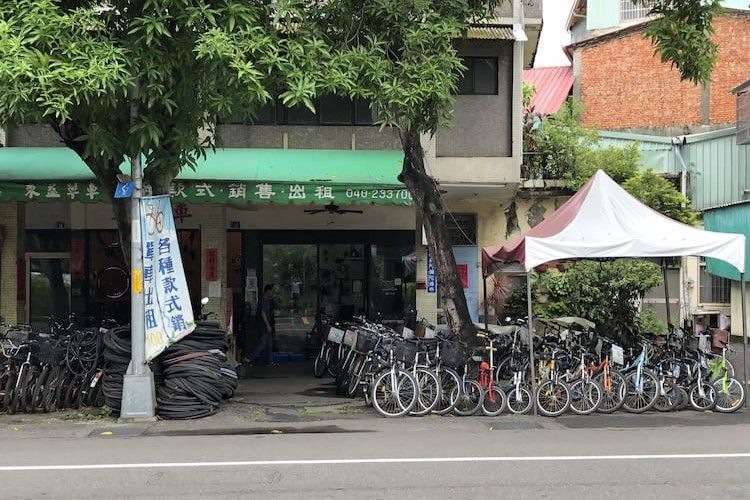
Dongyi Bicycle
📞049-2337000
📍No. 16, Zhongxing Road, Nantou City, Nantou County
Located opposite the Guangming Police Station, it is a shop that sells, repairs, and rents bicycles.
Please return the rental item before 7 PM on the same day (multiple days of rental can be discussed separately).
Single-piece styles are all 100 yuan.
Electric vehicles and tandem bicycles: 200 yuan
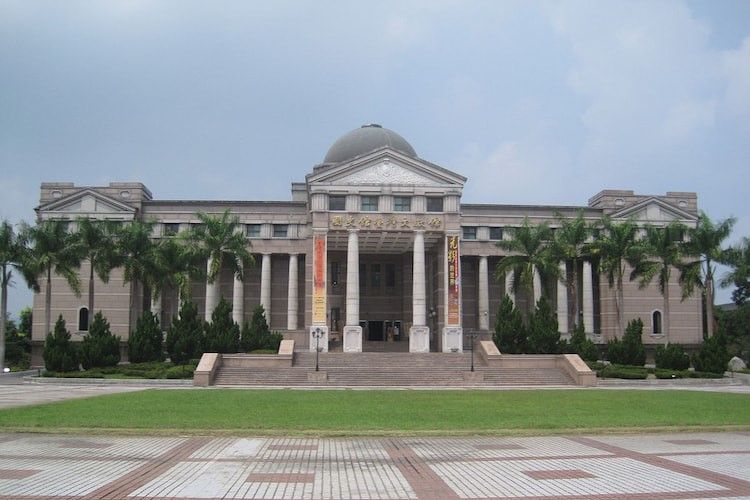
The Taiwan Archives is an institution of the Republic of China government responsible for maintaining and preserving historical and political documents related to Taiwan. Its predecessor was the "Taiwan Provincial Documents Committee," established in 1949 by the Taiwan Provincial Government. After streamlining, it was renamed and became the sole affiliated agency of the National History Museum. Its main responsibilities include compiling the Complete History of Taiwan and preserving related historical materials.
Taiwan Archives
📞049-2316881
📍No. 254, Guangming 1st Road, Nantou City, Nantou County
🌐Taiwan Archives Website
The museum comprises three buildings: the Documentation Building, the Heritage Building, and the Historical Site Building. These three buildings have distinctly different styles: the Heritage Building, located in the center of the grounds, is in the European Renaissance style; the Historical Site Building, on the left side of the grounds, is in the style of a northern Chinese palace; and the Documentation Building, located to the right of the entrance, features white walls and red tiles. Each building houses valuable and important historical materials, including manuscripts, scrolls, folk artifacts, and information on the development history of Taiwan.
History and culture are the foundation of a nation. In its early days, the Taiwan Archives was a dedicated unit for the collection, collation, preservation, publication of documents and periodicals, and compilation of local histories. The archives are rich in historical materials. Today, the archives are committed to promoting Taiwan's history and culture, enabling people to access and understand Taiwan's history. It combines history, culture, education, and tourism. In addition to commemorating the outstanding contributions of the sages and pioneers, it also carries the meaning of learning from the virtuous and passing on the legacy, and encourages the people of Taiwan to work together to create a long and prosperous history for Taiwan.
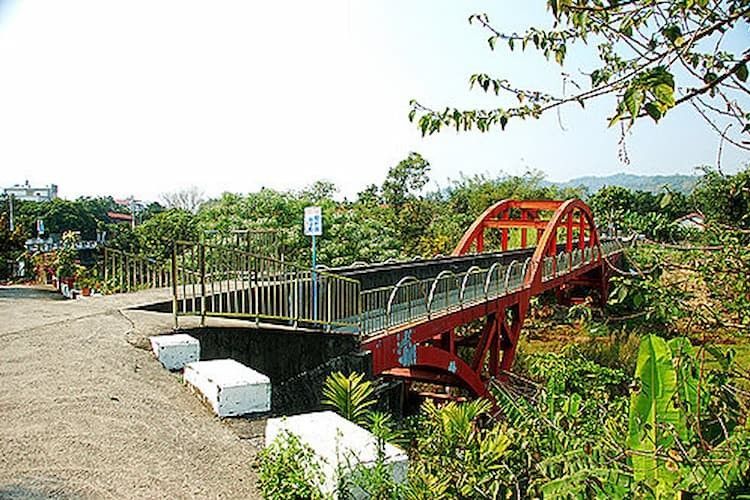
Chengyuanzhen is unique in that it is not only a bridge for people to pass through, but also a special aerial waterway. It is located in the alley next to the Neilu Bridge on Zhongzheng Road, and the red arched bridge is partially hidden among the green trees.
Chengyuanzhen
📍In front of No. 93, Zhongzheng Road, Nantou City, Nantou County
A canal is an irrigation channel. Chengyuan Canal is an ancient canal in Nantou, with a total length of 809 meters. It was built in 1745 during the Qianlong period of the Qing Dynasty. It was originally built to irrigate farmland in the Neilu and Yingpankou areas, benefiting nearby villages. It was formerly known as "Nantou Water Canal". The water source is the Longyanlin Creek in Dapi, Nantou City, hence the name Dapi. It was rebuilt in 1887 during the Guangxu period of the Qing Dynasty and renamed Fuyuan Canal. Later, in 1890, funds were raised to repair the damage caused by floods, and it was renamed Chengyuan Canal.
According to the inscription erected by the Nantou Irrigation Association, the nearby farmland benefited from the Chengyuan Canal, which irrigated an area of about 190 hectares. The network of irrigation canals enabled the nearby residents to cultivate the land and have enough to eat and wear.
In 1982, the Chengyuan Canal's head and diversion channel were severely damaged by a typhoon, and due to water shortages, it was abandoned and closed. Instead, a connecting waterway was added from the third branch of the Beitou New Canal for irrigation. After the 921 earthquake in 1999, the Irrigation Council not only improved the canal but also incorporated local landscaping and the Zhongxing New Village bike path project. Completed in 2003, the Chengyuan Canal was designed to serve multiple functions, including water supply, bicycle paths, and pedestrian walkways. The beautiful red arched bridge became a local landmark and was selected as a demonstration project site by the Executive Yuan.
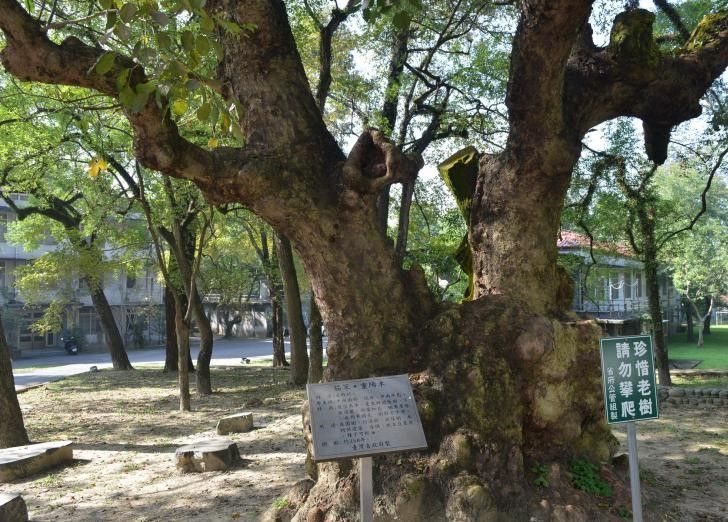
The old cypress tree in Zhongxing New Village is located next to the green tunnel of the Thousand-Layer Tree on Huanshan Road. This first tree in Zhongxing, the 360-year-old cypress tree, is the most famous old tree in Zhongxing New Village.
Zhongxing Old Eggplant Winter Tree
📍No. 48, Huanshan Road, Nantou City, Nantou County
Legend has it that in 1955, Mr. Yen Chia-kan, Mr. Hsieh Tung-min, and others, who were sent to central Taiwan to plan the relocation of the provincial government to Chung Hsing New Village, discussed the relocation plan and selected the final location of the provincial government under the shade of this old cypress tree.
The old tree has a circumference of about 668 centimeters, and its roots are covered with root nodules. The trunk is also covered with parasitic plants such as gourd ferns. Due to natural wind disasters and insect infestations, the tree was once in decline and there was concern. However, with careful care and maintenance, new leaves have sprouted on the old branches, allowing the old cypress tree to still show its vigor and stand tall by the roadside.
The residents near the old Qiedong tree still take good care of this tree that has accompanied them for many years. They regularly clean up the area around the tree and put up signs to remind tourists to cherish this meaningful old tree.
Time flies, and history keeps turning new pages. The old trees of Zhongxing Qiedong not only witness the past and present of this place, but also serve as guardians of the future of Zhongxing New Village.
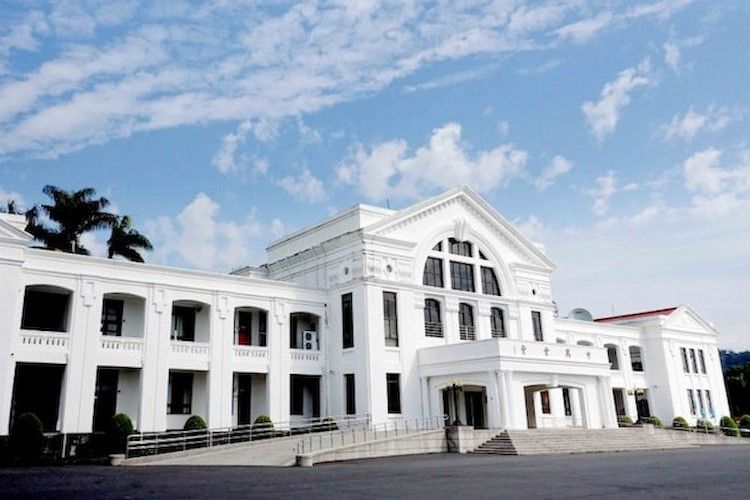
Zhongxing Hall, opened in 1959, is one of the most magnificent buildings in Zhongxing New Village. In its early years, it served as a venue for provincial government gatherings and receptions for foreign guests and heads of state. Later, it also served as an entertainment space, showing movies for residents to watch.
Zhongxing Hall
📍No. 1, Guangrong North Road, Nantou City, Nantou County
The Chung Hsing Hall is a Western-style white building that opened on Air Force Day. One theory suggests its design was inspired by the F-84, the main jet fighter of the time, symbolizing victory and takeoff. The building features an elliptical entrance popular in the late 19th century, symmetrically arranged. The entrance porch, arches, colonnades, and gables are largely typical of Western classical architecture, with features such as Massa-style roofs, sloping roofs, and bullseye windows, giving the building an overall grand and stable appearance.
The main body of the building was originally beige, but it gradually faded over time. During maintenance, it was mistakenly thought to be white, so the Zhongxing Hall was painted white. Gradually, everyone assumed that the Zhongxing Hall was originally a white building.
Currently, it is mostly used for large conferences, academic or symposiums, and as a conference center for arts, culture, music performances, and NGOs (non-governmental organizations). As one of the representative landmarks of Zhongxing New Village, Zhongxing Hall has historical significance and tourism value, and was registered as a historical building by the Ministry of Culture in 2011.
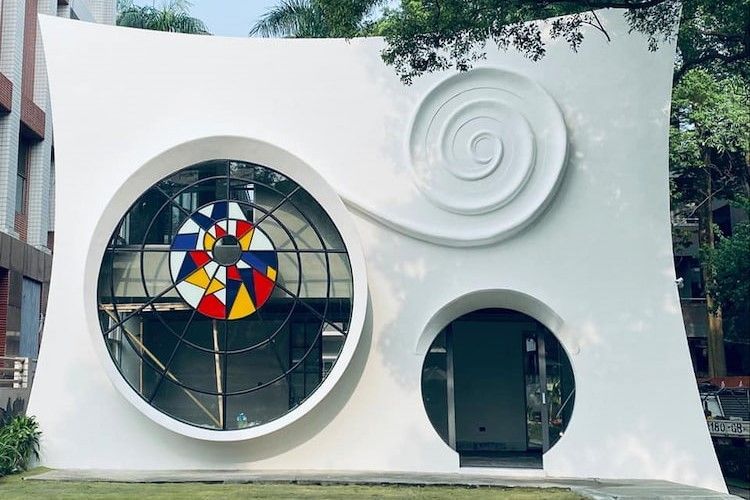
Xiaoxingyuan, hailed as "the most beautiful building in Zhongxing New Village," was designed by architect Xiu Zelan for the Taiwan Shin Sheng Daily in 1963 and was originally the office of the Shin Sheng Daily in Zhongxing New Village.
Xiaoxingyuan - Former Taiwan Shin Sheng Daily Office
📞049-2329666
📍No. 121, Guanghua Road, Nantou City, Nantou County
🌐Xiaoxingyuan - Former Taiwan Shin Sheng Daily Office Website
Hsiu Tse-lan, hailed as "Taiwan's First Female Architect," has received numerous awards, including the Taiwan Architectural Achievement Award, one of the Ten Outstanding Young Women, the Outstanding Architect Award, and the Architectural Contribution Award. In the post-war Taiwanese architectural scene, Hsiu Tse-lan, renowned for her classic retro-style work, the Sun Yat-sen Building on Yangmingshan, is one of the few representative figures of Taiwanese expressionism.
The main building of Xiaoxingyuan is a two-story brick building. The red brick exterior is retained on both sides. The white rectangle on the front is combined with the design of circles and vortices. Most people often mistake it for a snail shape, but in fact, the entire building of Xiaoxingyuan is designed with cameras and newspapers as elements.
The large round window with stained glass and the spiral sculpture in the upper right corner are reminiscent of film reels, while the round door is like a camera lens. The expanding rectangular structure on the front is like an unfolded newspaper. Xiaoxingyuan was originally the Zhongxing New Village office of the Taiwan Shin Sheng Daily. The architectural details show the designer's ingenuity.
This place was once a branch of the First Bank. After being converted into a provincial-level administrative unit and undergoing several changes, it was renovated and opened to the public in 2019, showcasing art and cultural works and collections, and providing opportunities for art and cultural exchange activities.
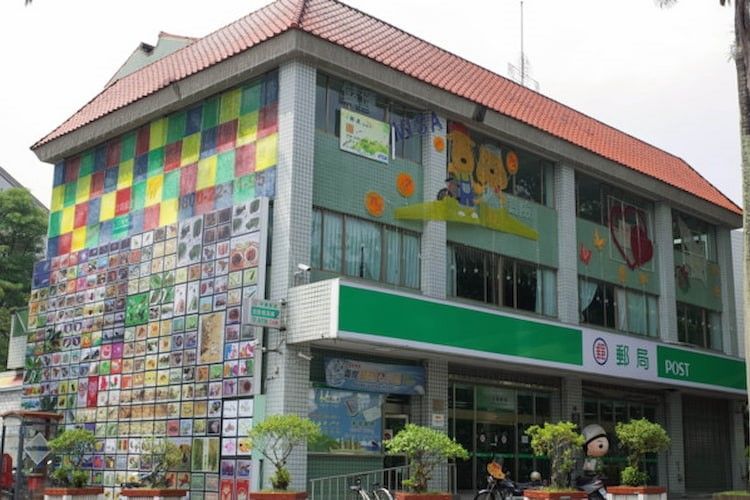
Stamp wall
📍No. 4, Zhongxue Road, Nantou City, Nantou County
Since 1957, Zhongxing Post Office has accompanied the residents of Zhongxing New Village, serving various postal services. In the leisurely and peaceful village, it has witnessed the prosperity of the provincial government and the years of transformation.
The 2014 Taiwan Lantern Festival was held in Zhongxing New Village, Nantou. It was a major event for the village after it was upgraded to a provincial-level administrative unit. In cooperation with the organizers, a stamp lantern wall was built next to the main lantern area and activity area, making Zhongxing Post Office the first and only post office in Taiwan to have stamp lanterns.
This stamp wall is about two stories high and features 328 Republic of China stamps. The stamp designs span half a century, witnessing the century-long history of Chunghwa Post. The themes are all-encompassing, full of historical records and unique natural landscapes of Taiwan, making it a very meaningful decorative wall.
Besides the horse stamp, which represents the zodiac animal of the year's main lantern festival, the most distinctive stamps on the stamp wall are those related to Taiwan, such as major construction projects, important events, the 100 highest peaks, endemic species, tourist landmarks, folk toys, and snacks. There are also stamps featuring ancient paintings from the National Palace Museum, stamps with a face value of only 50 cents, and of course, QR code stamps. The rich content is worth exploring in detail. At night, the stunning light wall takes on a different kind of splendor than during the day, making it a sight that tourists shouldn't miss, day or night.
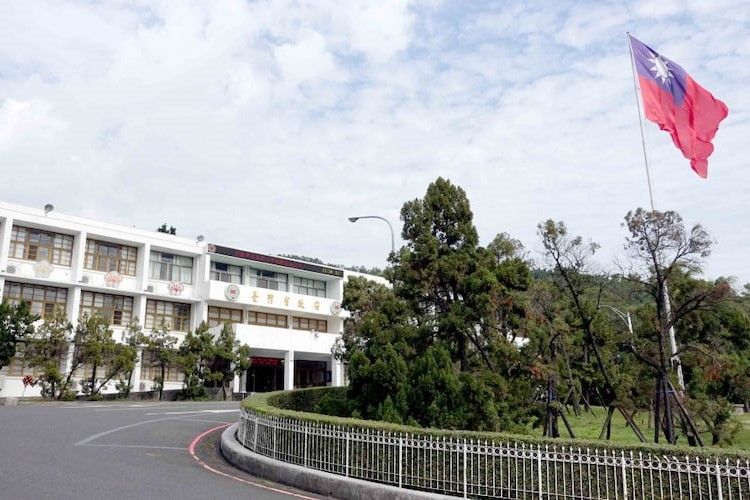
Taiwan Provincial Government
📍No. 1, Shengfu Road, Nantou City, Nantou County, 540
In the early 1950s, in response to an air raid evacuation plan, the government selected about 200 hectares of land at the foot of Tiger Mountain in Nantou City, Nantou County, to build the Taiwan Provincial Government and create a public servant and teacher-type settlement. It was named Zhongxing New Village and officially moved in on June 29, 1957.
Upon arriving at Zhongxing New Village, passing the King Coconut, Lotus Pond, and Roundabout, enter the uphill V-shaped one-way road that symbolizes victory, and you will see the Provincial Government Building.
The Provincial Government Building, located at No. 1, Shengfu Road, Zhongxing New Village, marked the beginning of the construction of Zhongxing New Village and was the first completed three-story building. It was then known as Building No. 1 and its design style was a "quasi-international" modern architecture. Facing southwest, the building primarily showcases the style of an "eagle spreading its wings," with a mountain-shaped structure. The front is three stories high, with two stories on each side. The offices of successive chairmen were located on the third floor at the rear of the central section. The left and right sides housed various departments and offices, facilitating rapid communication and ensuring administrative efficiency.
The Provincial Government Building once managed the important affairs of all counties, cities, towns and townships in Taiwan, and was an important driving force for Taiwan's modernization. It has also witnessed the development of Taiwan's politics, economy, society and culture. In order to highlight its historical value, the Nantou County Government registered the Taiwan Provincial Government Building as a county-level historic site in 2011.
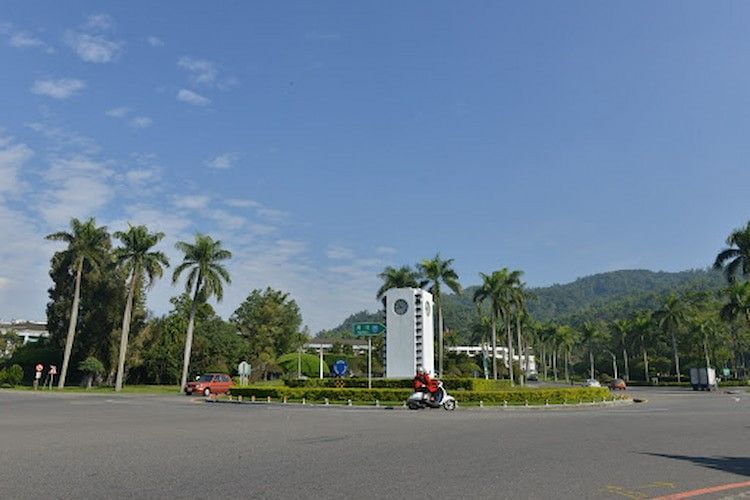
Ring clock
📍Provincial Government Road, Nantou City, Nantou County
After passing through the welcoming gate, you arrive at the roundabout at the entrance of Zhongxing New Village. A clock base is placed in the center of the landscaped roundabout. The white base has clocks embedded on all four sides. Back then, it served as a constant reminder to the civil servants and residents of Zhongxing New Village that time flies by and they need to work diligently, cherish time, and make the most of their lives.
On September 21, 1999, during the 921 earthquake in Taiwan, Zhongxing New Village experienced a magnitude 7.3 earthquake. The circular clock was tilted and damaged after the earthquake, and the time was stopped at 1:47 a.m. This made the circular clock, which recorded the shocking moment for the whole of Taiwan, a well-known earthquake disaster site.
The circular clock is surrounded by roads that radiate outwards, connecting various government offices and departments. The four directions of the roundabout also lead to important surrounding areas. The front faces the provincial government building, the right leads to Zhongxing New Village, the left leads to Caotun Township, and the rear leads to the Nantou-Zhongxing Interchange of National Highway 3. The roundabout's design requires vehicles on the inside to yield to those on the outside, mainly to facilitate the merging of vehicles within the roundabout. It was originally built to alleviate traffic congestion, and the convenient transportation also improved the administrative efficiency of the village.
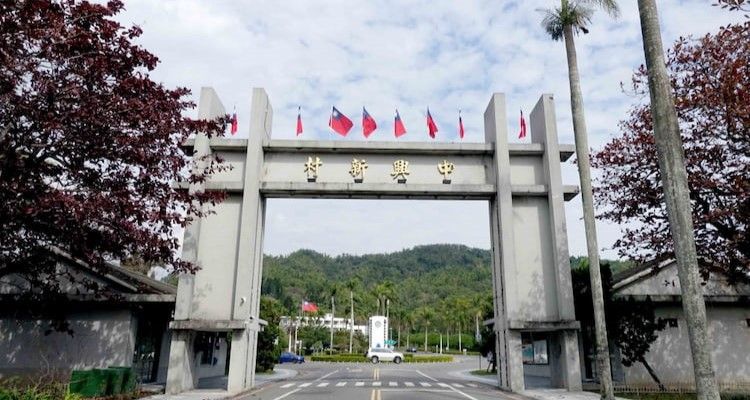
Zhongxing New Village Archway
📍540 Provincial Government Road, Nantou City, Nantou County
If you visit Zhongxing New Village, the first thing you'll see when you step onto Shengfu Road is this gray archway shaped like the number ten, as well as the coconut palm avenue and lotus pond.
Although commonly known as the Zhongxing Archway, it is actually a welcoming gate. In ancient times, welcoming gates were called "mountain gates," which originated from Buddhism. Because temples were often built in the mountains and forests, they were called mountain gates. Mountain gates can also be called the Three Gates, which means "gate of faith," "gate of wisdom," and "gate of compassion," or have the meaning of "wisdom," "compassion," and "convenience." The welcoming gate of Zhongxing New Village is adorned with the flag of the Republic of China, which evokes memories of its past prosperity.
Zhongxing New Village was once the home of many Taiwanese civil servants. The welcoming gate also symbolizes "serving in the public sector is a good way to cultivate oneself." Serving in the public sector is closely related to the people. If one can fulfill one's responsibilities, think about the people, and do things that are beneficial to the people, this is a kind of cultivation.
Zhongxing New Village was the former site of the Taiwan Provincial Government and the highest administrative center at the time, a symbol of local autonomy. Although the functions of Zhongxing New Village shrank and its population flowed out after the province was abolished at the end of the 20th century, this gate still stands here, witnessing a page of Taiwan's history.
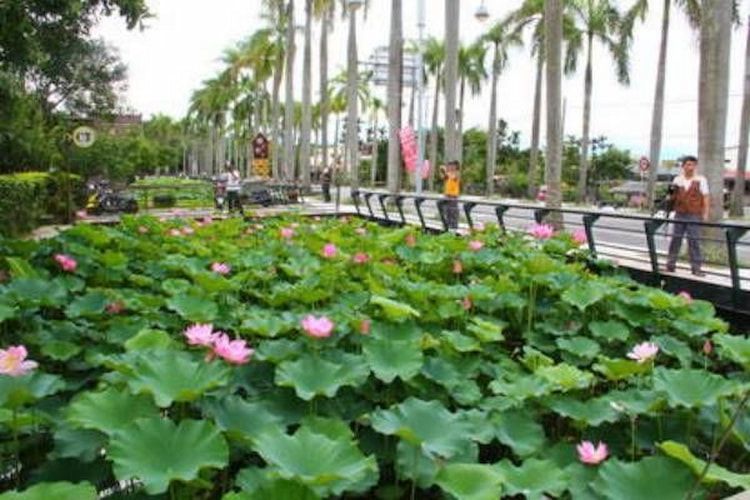
Provincial Government Road - Lotus Pond
📍Provincial Government Road, Nantou City, Nantou County
Upon entering Shengfu Road, besides the Zhongxing New Village welcome gate that is immediately visible, the most eye-catching feature is the 500-meter-long welcoming coconut palm avenue and the accompanying lotus pond.
The lotus pond in front of the provincial government is one of the most popular spots for photographing lotus flowers in central Taiwan. Every summer, in May and June, the lush green lotus leaves spread out in layers on the pond, and the lotus flowers bloom gracefully above the water, attracting countless tourists to admire the flowers, take photos, and sketch.
Strolling along the scenic walkway, the lotus pond's segmented design brings people closer to the flowers while they relax and enjoy the scenery. Under the sunlight, the lotus leaves are lush and green, and the lotus petals, slightly translucent, accentuate their delicate and soft pink hues. A gentle breeze carries a subtle fragrance, bringing a touch of coolness.
The lotus ponds on both sides of the welcoming avenue were originally intended to encourage public servants to uphold the integrity of the lotus flower, which rises from the mud unsullied, to be honest and have a sense of shame, and to serve the people with the belief of "rising from the mud unsullied".
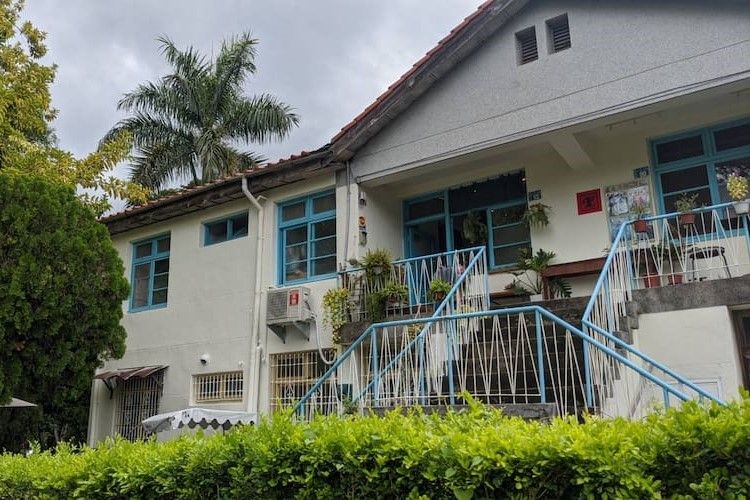
Tandem Bikes, In-Depth Tours, DIY Craft Experiences
The space of the provincial government buildings will be revitalized and utilized to provide consignment space for artists and cultural workers, and a "Deep Fun Tour" platform will be established to allow more people to experience the concept of cultural and creative slow living. The deep experience of the alleys and natural handicraft courses will lead travelers to rediscover the charm of Zhongxing New Village.
Daily strolls in the provincial government
📞049-2312476
📍No. 92, Guangming 2nd Rd., Nantou City, Nantou County
🌐Provincial Government Daily Ramblings Website
◆ Hand-torn silk-screen printed tote bag ($350/2H): Present the provincial capital's scenery and totems through handmade silk-screen printing. Students can tear and design their own patterns, using simple geometric shapes and colors to create a unique, eco-friendly cotton tote bag.
◆Mini Moss Ball Landscape ($350/1.5-2H): Experience the beauty of life in the provincial capital through the flowers, plants and trees in the environment. The instructor will guide students to learn about the plant landscape in the environment and make moss balls by hand, condensing the charming plants into a deep and attractive mini world, presenting the unique quiet and rhythmic charm of moss balls (students can make 1 moss ball to take home).
◆Alleyway Cycling ($350/2H): Experience the cultural clusters of modern Taiwan's history by riding a tandem bicycle. Discover the unique provincial government culture within Zhongxing New Village not only through sight but also through the senses of smell, touch, and hearing, allowing you to rediscover the beautiful and simple leisurely life of the past.
◆Eco-friendly handmade postcards ($350/1.5H): Collect fallen leaves and flowers from the environment, use paintbrushes and ink to transfer them onto white paper to preserve the veins and textures of the plants. Through the layering of colors and the warmth of handmade craftsmanship, preserve the memories of your trip. Finally, write your blessings by hand to leave the most beautiful ending to your journey.
◆Northern-style Baked Flatbread Making Experience ($350/30MIN): Located in Zhongxing New Village, this is the most unique breakfast shop in the area. Participants will make their own scallion and pork baked flatbread, experiencing the memories of the former provincial capital through their hands and taste buds. (Participants can make 3 flatbreads to take home).

Green Days
📞0932 190 989/049-2370008
📍No. 152-3, Zhongzheng Rd., Nantou City
🌐Green Days Website
Located 6 km from the Taiwan Mochi Theme Park, the guesthouse features a shared lounge area, terrace, and shared kitchen. Free WiFi is available throughout the property.
All guest rooms have a full kitchenette equipped with a microwave and oven. All shared bathrooms include a shower and complimentary toiletries.
Xiao Guai Trading Company
📞0932-532102
📍No. 309, Yingbei Road, Yingbei Village, Nantou City, Nantou County
🌐Xiaoguai Trading Website
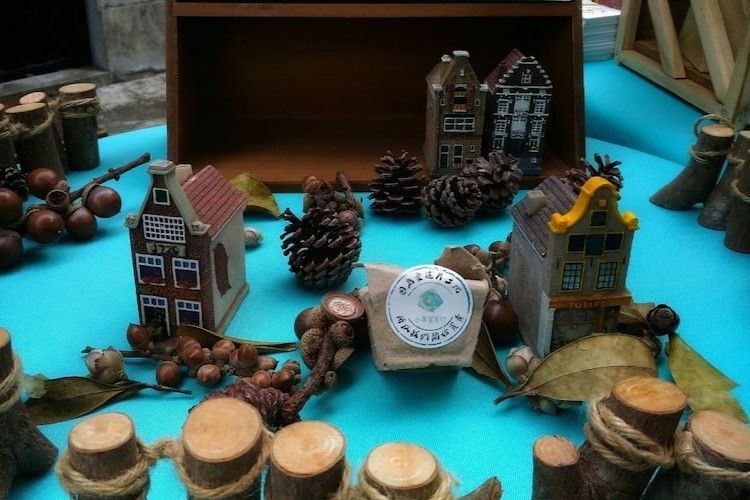
Even those with a petit-bourgeois lifestyle can enjoy a wonderful life.
Xiao Guai Trading Company's mission: To unite and integrate conscientious producers and their products, offering fair prices and packaging. We hope everyone understands the importance of buying and selling what they need, not what they want unnecessarily. Our aspiration is to create: reasonable product selection, reasonable profits, reasonable quality, and reasonable environmental care and feedback. Because we love this land, we started buying and selling.
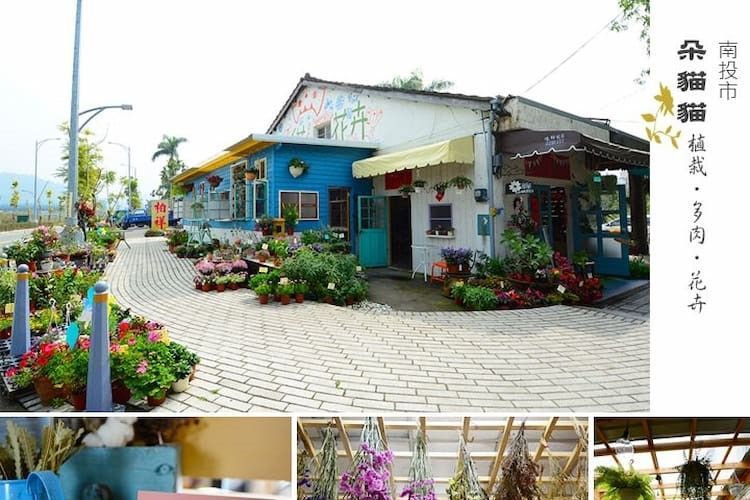
Duo Maomao Flower Studio
📞0972 220 281
📍No. 211, Zhongxing Road, Nantou City, Nantou County
🌐DuoMaoMao Flower Studio Website
A beautiful corner of Zhongxing New Village. Specializing in plants, succulents, and dried flowers.
We welcome custom orders for dried and preserved flowers. It is best to make an appointment one week in advance.
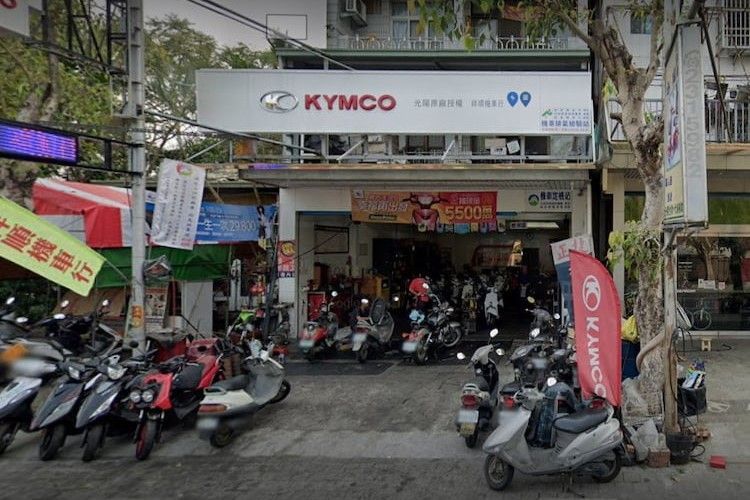
Xinglong Auto Shop
📞049-2315982
📍No. 316, Zhongzheng Rd., Nantou City, Nantou County
At No. 316, Zhongzheng Road, Zhongxing New Village, Nantou City, take the exit at the Zhongxing New Village Interchange on National Highway 3. You'll see a gas station; turn right and continue driving. After passing one traffic light, you'll enter the main gate of Zhongxing New Village, which is not far away. This is a major driving force behind tourists renting cars to explore Zhongxing New Village.